

.jpg)
For one 9th-grade student, school felt like a place they had to survive rather than enjoy. Social situations were exhausting. Walking through the hallways often came with a nagging feeling that they did not belong. They worried that people were talking about them behind their back, and they struggled with thoughts that had quietly followed them for years.
Underneath, they were carrying loneliness, self-doubt, and the emotional weight of bullying.
Fortunately, their school had built time into the school week for every student to connect with Clayful through Clayful Weekly — a few guided minutes, once a week, where students log in from their school-issued device, connect with a trained coach in under a minute, and start a conversation through chat.
By the time they reached their 11th chat with Clayful, they had already spent several weeks building trust with coaches through their weekly check-ins.
Like many students, they did not immediately share what was really going on.
Instead, conversations started with simple check-ins about school, music, and everyday life. Over time, those small, consistent conversations created something important: trust.
Then, during one chat, the student opened up about a painful truth — describing feelings of self-hatred and deep insecurity about how they looked and sounded.
They explained that socializing felt uncomfortable and that being around other people often left them feeling different from everyone else.
"when I'm in public I feel I don't belong"
For years, these thoughts had stayed mostly inside their head.
When discussing what helped them cope, the student shared something important.
"well music just calms me down and it makes me feel nice"
Instead of focusing only on the challenges, the coach helped the student recognize strengths they already had. Together, they explored healthy coping tools and discussed how music was already serving as a powerful source of comfort and regulation.
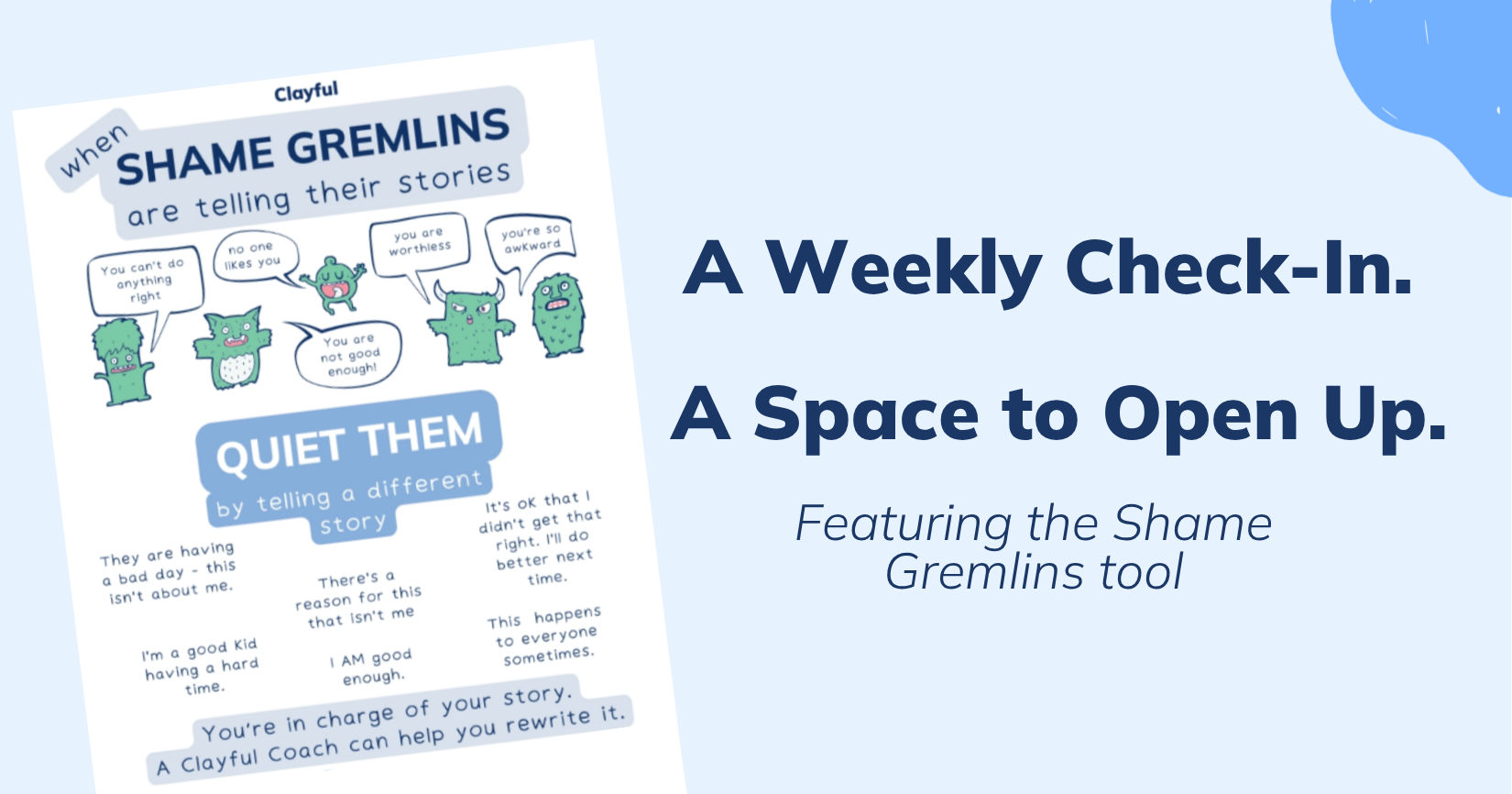
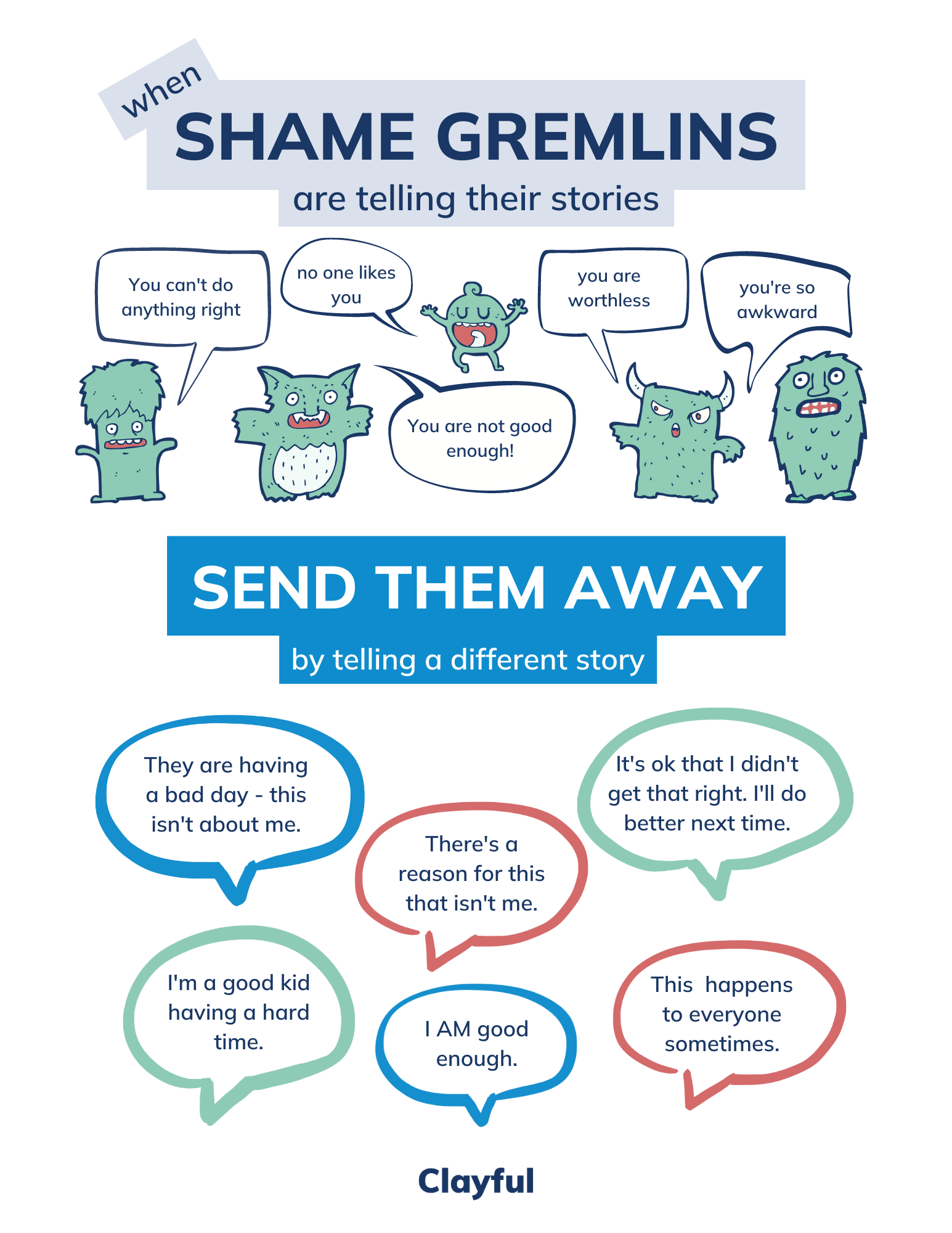
The coach also introduced a Clayful tool focused on identifying negative self-talk, helping the student recognize some of the harsh inner messages they had been carrying.
By the end of the conversation, the student opened up in a way that highlighted just how significant the relationship had become — telling the coach they had never shared these feelings with any adult before, and thanking them for listening.
Not because someone forced them to but because they felt safe enough to choose to share it.
The following week, during their next scheduled Clayful Weekly time, the student returned for their 12th chat.
Students come back when they believe someone is listening.
As the conversation continued, the student shared more about why social situations felt so difficult.
"I hate being in public"
"I just feel that I don't belong"
Then they revealed something that helped explain many of the feelings they had been describing.
The student shared that classmates had targeted them with cruel, harmful language — comments that encouraged self-harm.
The impact of that bullying had followed them for years. During the chat, they described feeling isolated, misunderstood, and overwhelmed, and reiterated how deeply the self-hatred ran.
As the conversation unfolded, the coach continued responding with patience, empathy, and care. The student discussed challenges at home, feelings of depression, and the ways they used music and video games to manage stress.
What made this conversation different was that the student was no longer carrying these experiences alone.
Because the student disclosed ongoing bullying, the Clayful team followed established safety protocols and escalated the concern to the school.
This was not a replacement for support — it was an extension of it.
The goal was to ensure the student had access to additional adults and resources who could help address the bullying and provide ongoing support.
The student's chats became a bridge connecting them to a broader network of care.
The student's challenges did not disappear overnight.
But meaningful progress happened in a relatively short period of time.
The student reported:
The student:
Most importantly, they no longer had to carry everything alone.
The breakthrough did not happen because someone had the perfect answer.
The student did not have to schedule an appointment, leave class, or walk into an unfamiliar office. They simply logged into Clayful during their regular Clayful Weekly time, connected with a coach through chat, and started talking.
The format mattered.
For students who feel uncomfortable speaking face-to-face, chat can feel less intimidating and more approachable. It gives students control over how much they share and when they share it.
The relationship mattered, too.
Week after week, coaches showed up consistently. They listened without judgment, validated the student's experiences, and introduced practical tools that helped them better understand their thoughts and emotions.
Trust was built one conversation at a time — because the time was already built into the week.
Not every student will show up in crisis. Most won't ever send a message like this one. But the students who do are almost never the ones adults expect — and without a low-stakes, everyday entry point, moments like this one are easy to miss.
For this student, that entry point started with a simple "hi." Eleven chats later, they were sharing things they had never told an adult before.
Clayful Weekly is a short, plug-and-play classroom experience — just 5 to 20 minutes — built to give every student that same kind of low-stakes entry point. Each week includes:
Why it matters: Students today are carrying a lot — academic stress, identity struggles, anxiety, social pressure, and more. Clayful Weekly gives them a proactive, consistent way to build emotional regulation, problem-solving skills, and the ability to ask for help, before those struggles escalate into something bigger.
Clayful Weekly is designed to drop into a school's existing schedule without adding work for teachers.
Step 1: Use your designated weekly class time. Choose or use your school's existing day and time for the class to engage with Clayful Weekly — no new block needed.
Step 2: Introduce the weekly lesson. Each week, teachers simply: play the video from the Clayful Coach, direct students to complete the journal at their own pace, let students know they can chat with a coach, and optionally lead a quick class discussion using the provided prompt. The scope and sequence is already defined, so there's no lesson prep and no guesswork.
Step 3: Track participation. School leaders can use the Clayful Dashboard to see who is completing journals, who is chatting with coaches, and how long students are engaging — activity and duration only, never the content of student messages.
For this student, that structure was the difference between staying quiet and finally being heard. Eleven weekly check-ins in, they told a coach something they'd never told any adult before — and their school was already set up to catch it and respond.